
Challenge
Can Nature Tell a Story in a Real Estate Space?
Modern real estate showcases often rely on precision, data, and visualisation. They inform yet rarely immerse. So we asked a different question: What if a space could behave like an ecosystem? What if architecture could draw from the intelligence of flora and fauna, from systems that grow, balance, regenerate, and coexist? The goal was to design an installation that went beyond decoration. It needed to convey the soul of the development through a tactile and memorable experience. Something instinctive. Something deeply human.
Approach
Emotion in Every Structure
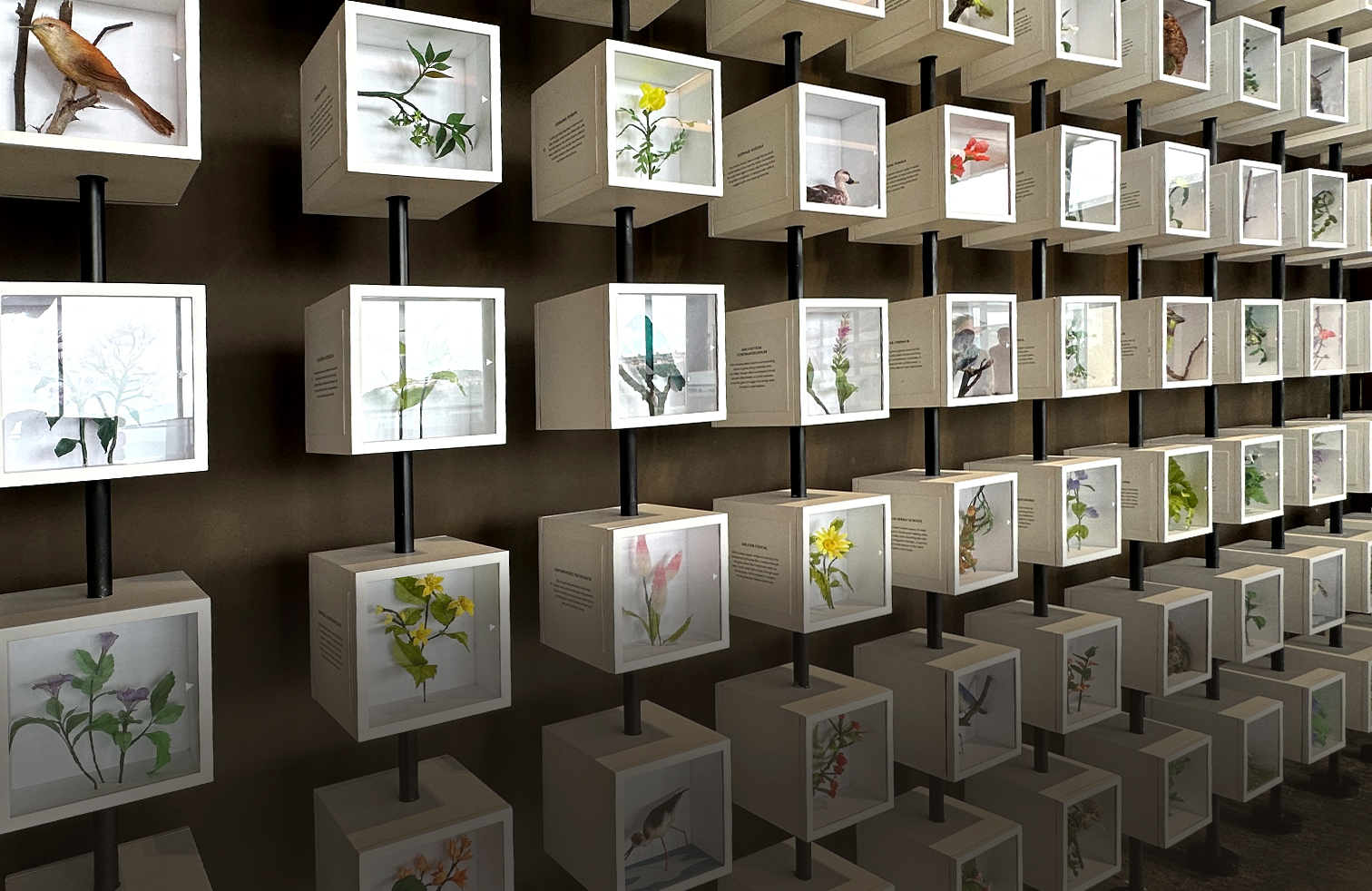
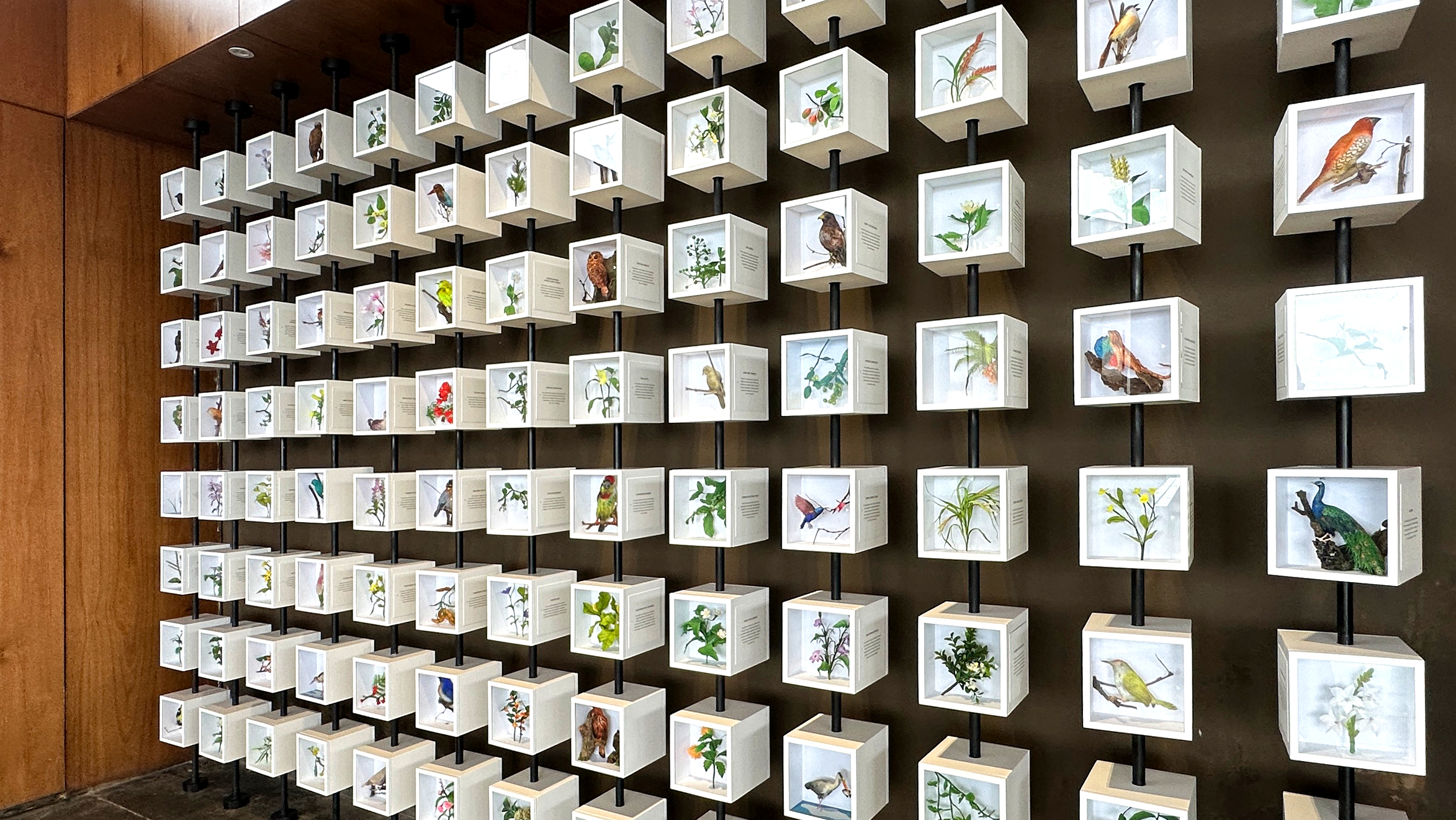
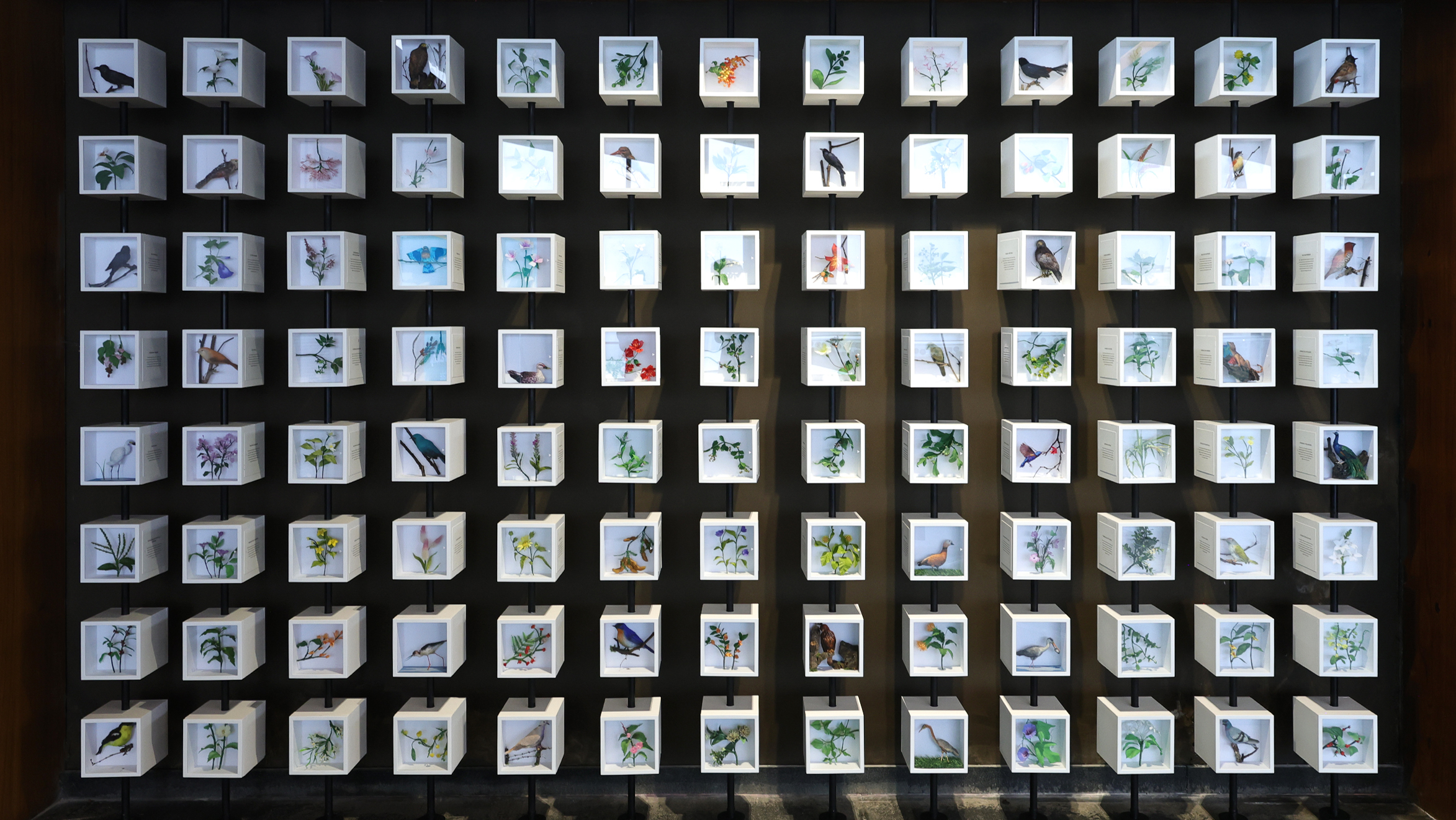
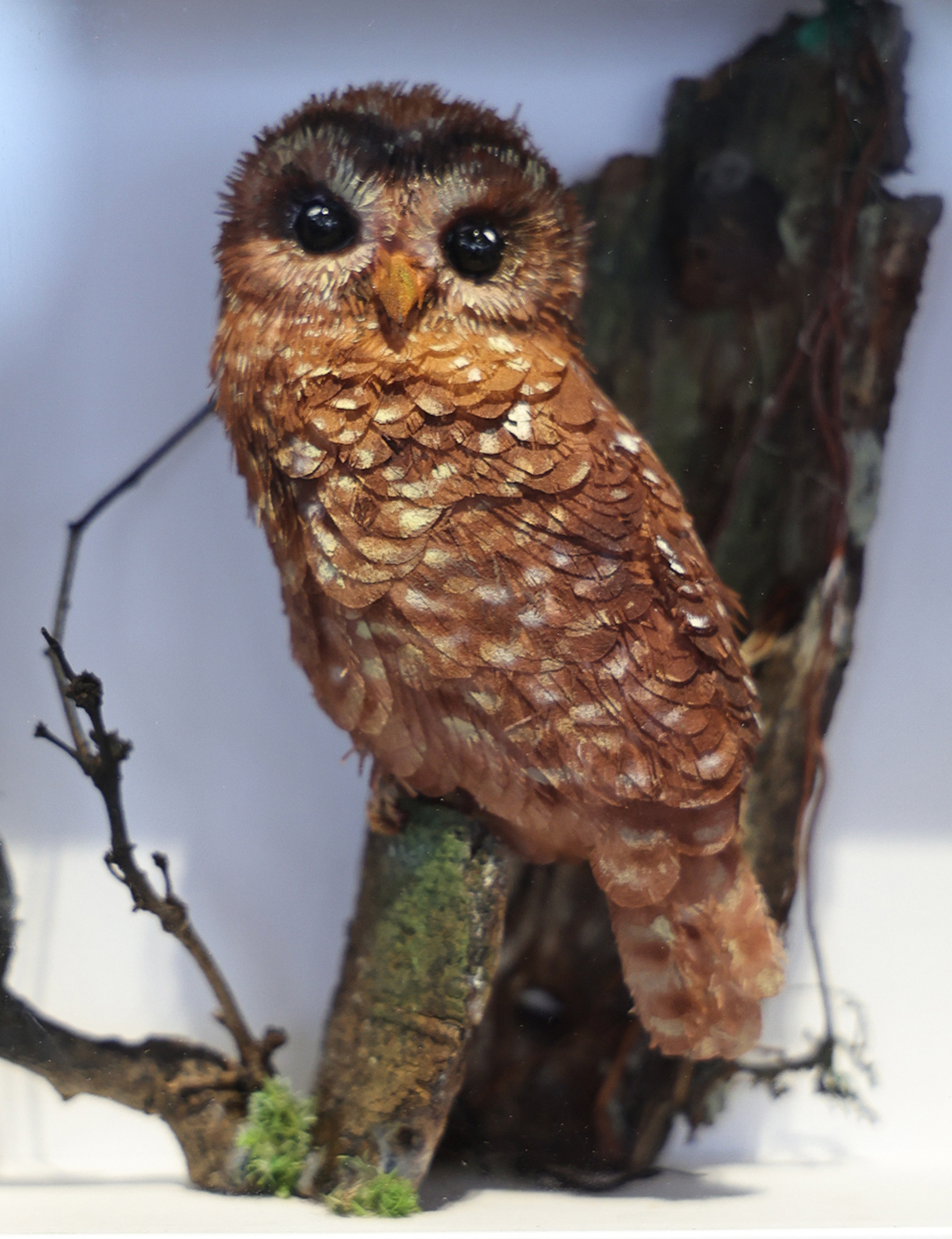
We turned to the oldest design vocabulary known to us: nature itself. The installation was sculpted through nested forms, layered contours, organic branching, and gradients inspired by the natural order of growth. Every stroke, curve, and silhouette was guided by the behaviour of ecosystems, by their equilibrium, their quiet intelligence, and their effortless beauty. The experience became richer through interaction. When viewers swiped through the carousel, the structure appeared to rotate, echoing the sensation of circling a living organism. What stood still felt kinetic. What was crafted seemed alive. Flora expressed grounding and renewal. Fauna expressed movement and life. Together, they created harmony between built environments and the natural world that shaped the vision behind them.


Solution
Transforming a Showcase into an Ecosystem
The installation evolved into a spatial metaphor for the Vanaha development, a story expressed through form rather than words. Visitors slowed down. They noticed details. They absorbed the philosophy of the project before they ever encountered a plan or layout. Through shadow, texture, proportion, and motion, the wall offered: • an entry point into the ethos of the development • a sensory bridge between architecture and environment • a living identity for the brand This was not a backdrop. It was a presence. It shifted the real estate experience from informational to emotional. People did not merely see the project. They felt it.